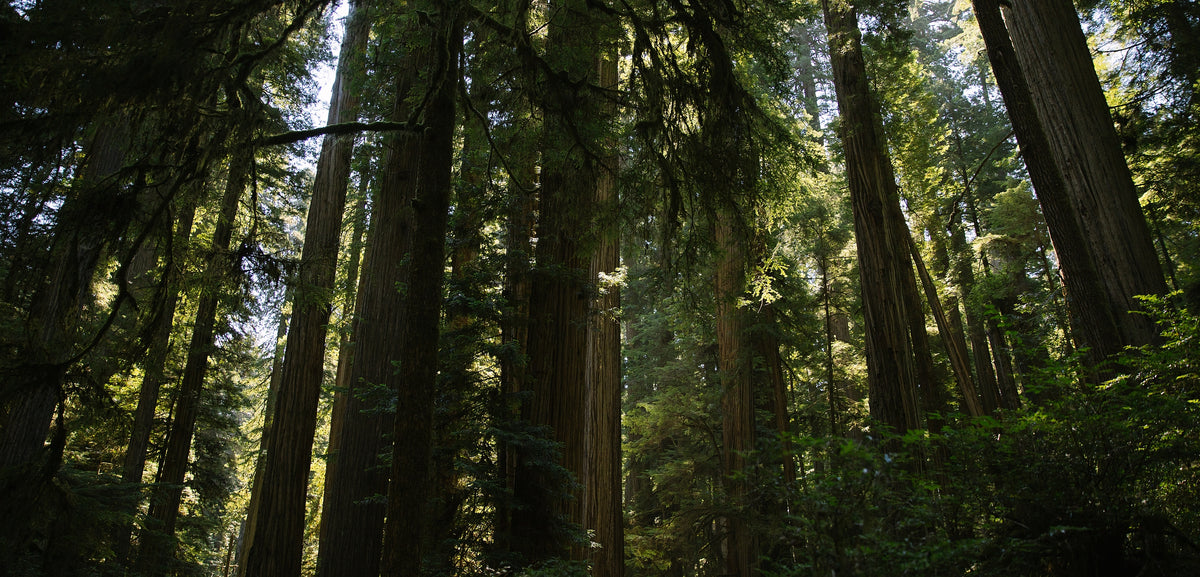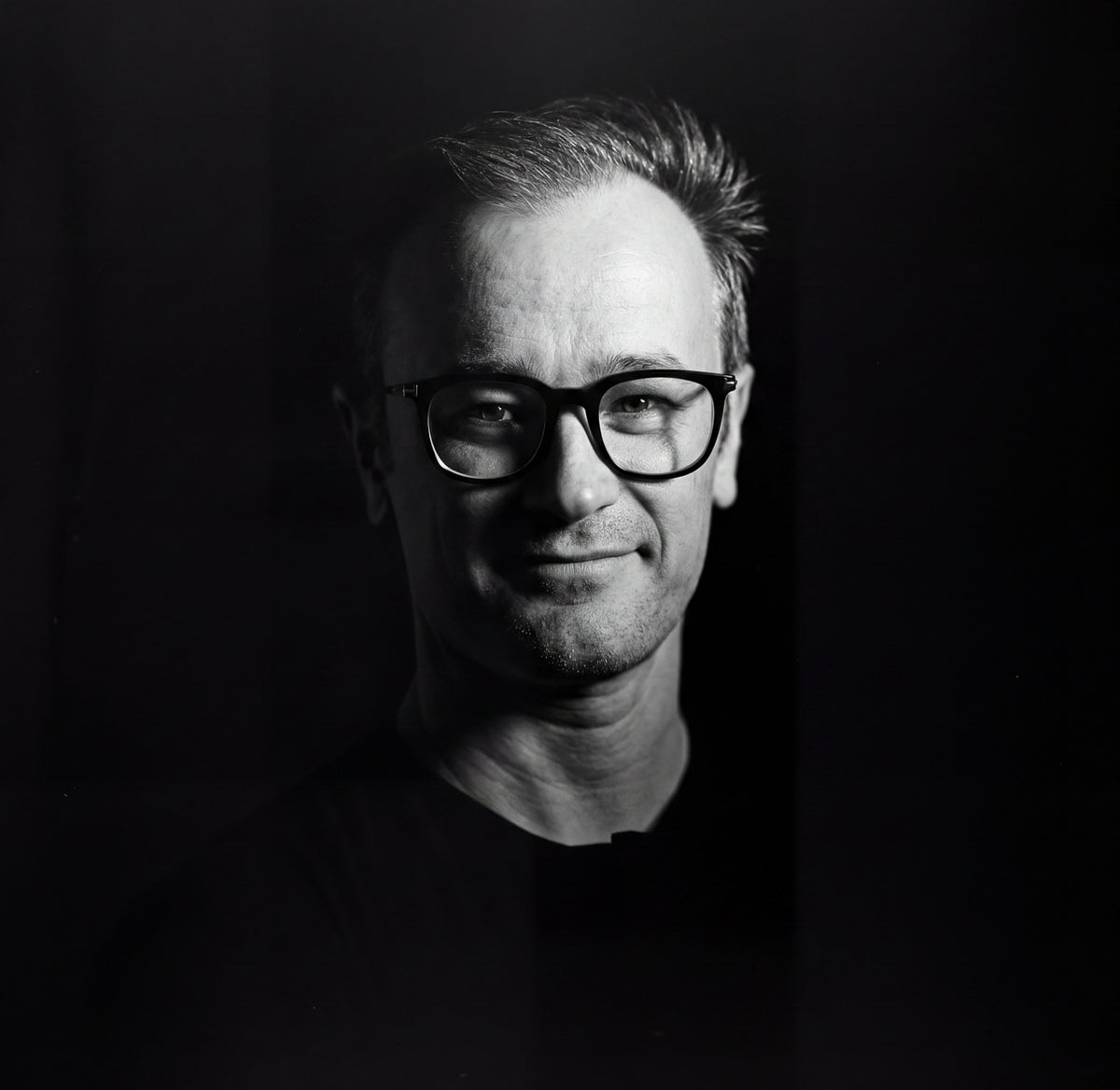
Trees are nature’s monuments. Megaliths became ours.
I obsess over the long arc of stacked objects: where they come from, who they serve, and what they outlive.
I travel to places that make that arc visible. Greenland. Antarctica. The Great Basin. Pembrokeshire. Landscapes where stone moves, ice becomes land, water carves through rock, and time can be felt far beyond human life.
Some of these places found me before I found them.
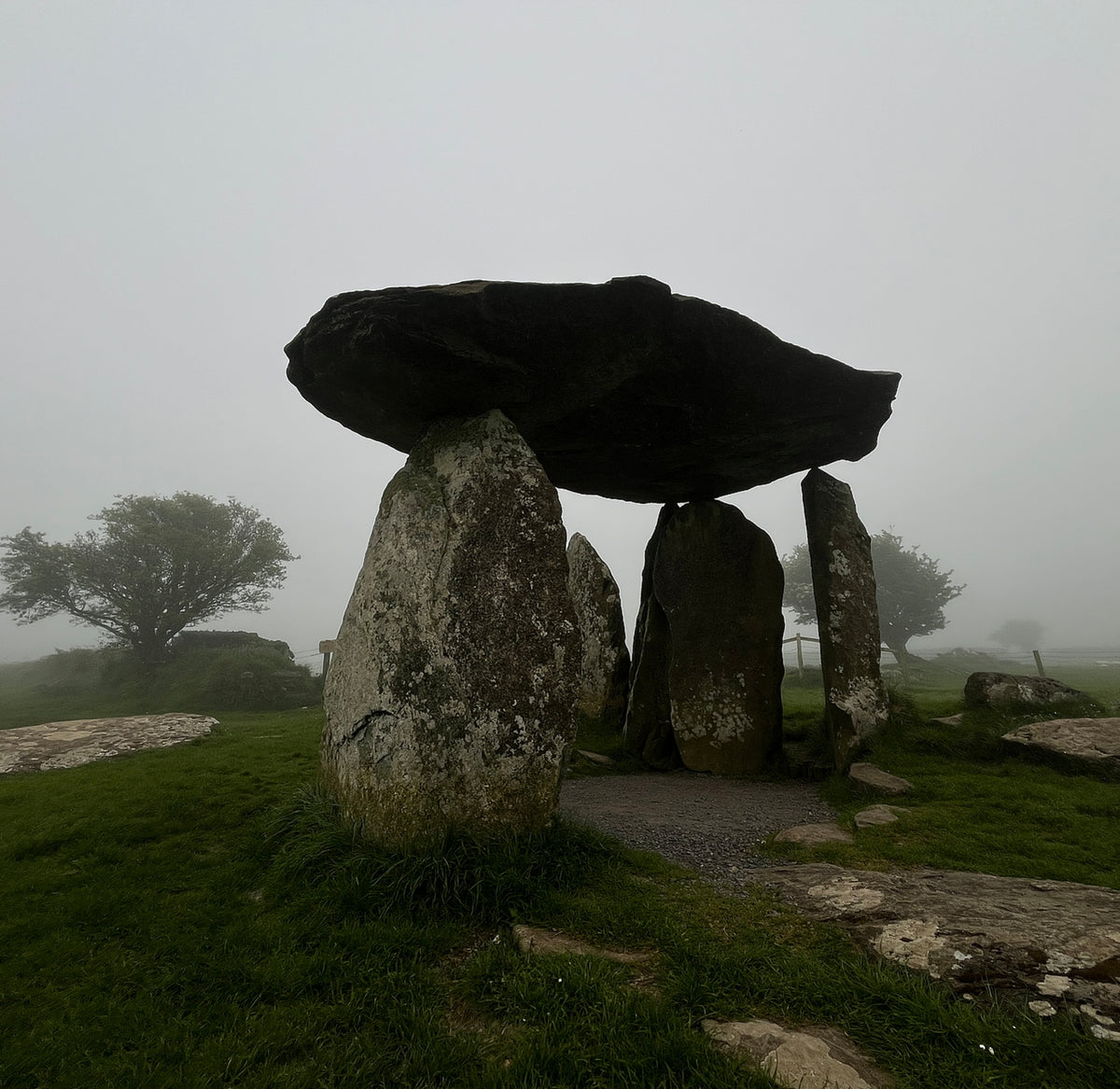
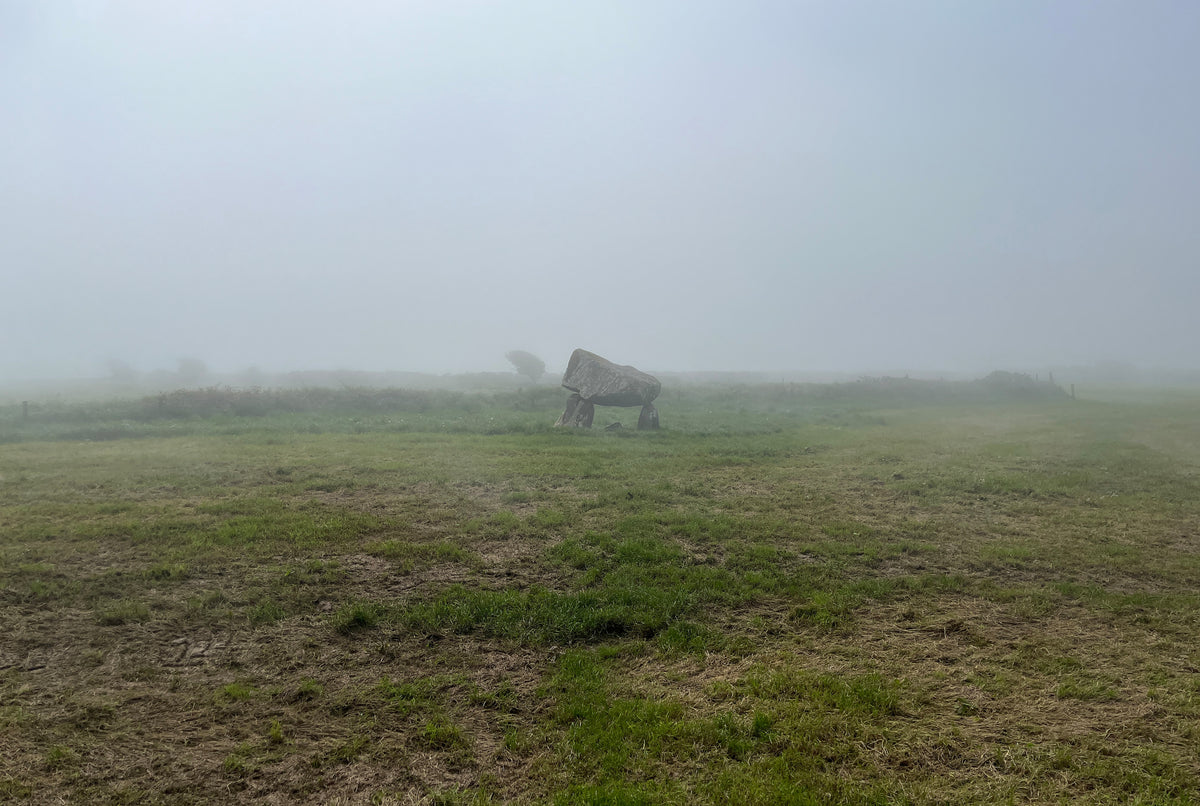
As a child, I dreamt of a goddess standing in a meadow. Decades later, on the coast of Wales, I happened upon the exact meadow from that dream. There stood the megaliths that would become central to my work: enormous stones assembled by human hands thousands of years ago, their purpose never fully explained.
That mystery matters.
They were made deliberately. We can sense ceremony, utility, devotion, community, or some combination. But we can never know what their makers intended. What remains is the object itself: material, placement, tension, balance, relationship.
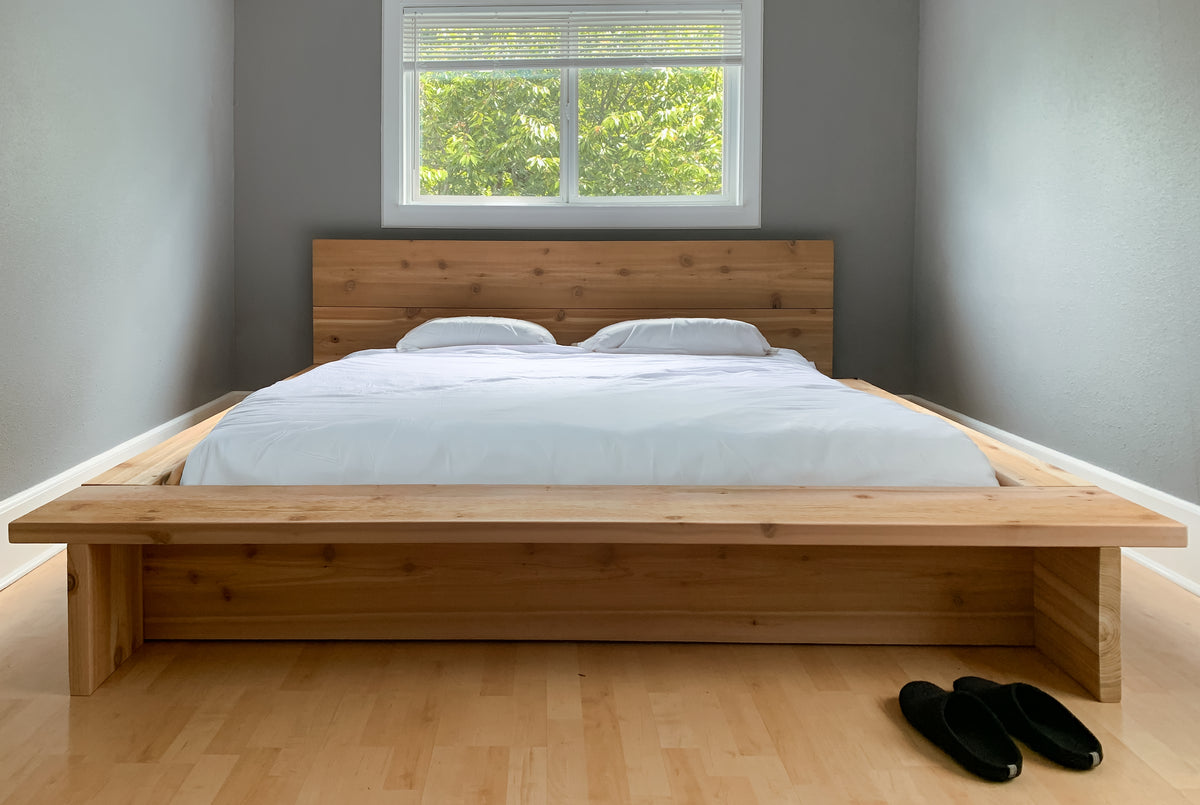
My furniture speaks the same language.
The wood carries its own unknowable history. Its grain, edge, age, provenance, and scars remain part of the work. I want to know where the tree grew, who found it, how it was milled, what weather shaped it before it arrived in my hands. But knowing the tree can’t predict what it will become.
Across stone, ice, and wood, the same forms recur.
Landscapes and furniture begin to resemble one another.
Glaciers have edges and seams.
Mountains have mass and balance.
Stone stacks, leans, cantilevers.
Wood records pressure and movement.
Natural forms obey the same divine logic.
To stand amongst them has given me not a sense of human insignificance, but something closer to its opposite. Rock is ordinary. Water is ordinary. Ice is ordinary.
What is extraordinary is life. A tree is born of those things. So are we.
You can stand beside a glacier and comprehend millions of years.
You can still touch a stone raised by hands whose names have disappeared.
The woodworker can write the next life of a tree, one that may pass through generations of hands after his own are gone.
For me, making furniture belongs to that continuum. The work does not imitate landscapes nor reproduce ancient monuments. It carries their logic forward: mass and movement, tension and balance, persistence and change. I draw from immense forms and re-imagine them at the scale of the body.
A mountain is somewhere to sit.
A cairn becomes a table.
An iceberg streaks across wood grain.
A monument creates the home.
Furniture makes the imagined physical.
Furniture makes the megalithic intimate.